How David Sued Goliath: Climate Justice in Action
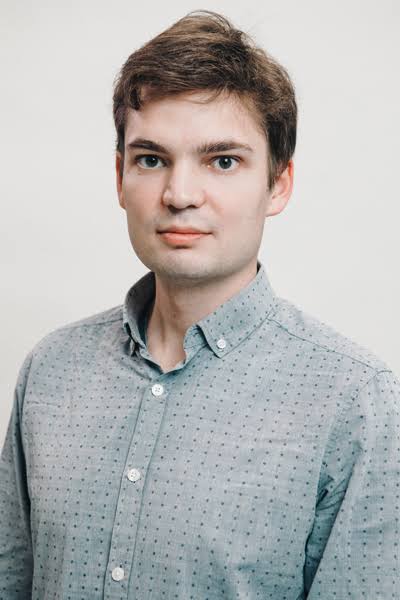
Dr Noah Walker-Crawford is a research fellow at the London School of Economics and Imperial College London. He leads the project ‘Making the Evidence Count: Climate Science in the Courtroom’ which examines how climate change attribution science shapes litigation.
Event details from: How David Sued Goliath: Climate Justice in Action
- Date
- 21 September 2026
- Time
- 15:30 – 17:00
- Room
- A3.01
Abstract
In May 2025 a German court ruled in Lliuya v RWE that a major corporate emitter can, in principle, be made to pay for climate harm on the other side of the world. The case was dismissed but established a framework for corporate climate liability. This lecture traces how a farmer and mountain guide from Peru came to sue RWE, Germany's largest electricity producer, for its contribution to climate change and glacial flood hazard in the Andes.
The vehicle was an ordinary provision of German property law, typically used to settle disputes between neighbours. Ten years and two courts later, that provision reached across the planet. Drawing on a decade of ethnographic research with the claimant, his lawyers, and the scientists who built its evidentiary record, the lecture traces how the claim reframed climate change as a problem of neighbourliness, binding one farmer to one company while raising broader questions about corporate climate responsibility. It shows what happens when attribution science enters a courtroom, where judges need workable answers and climate science offers probabilities. Whether other courts follow the judgement, and what evidentiary burden they place on claimants, will shape the future of climate litigation.